
Render & Stucco Specialists in Melbourne
Rendered and stucco-finished walls are everywhere in Melbourne, from 1920s Californian bungalows to modern architectural facades along the bay. They also crack, chalk, and stain more than any other exterior surface when they are not coated correctly. Paul Painting Melbourne repairs render damage, bridges hairline cracks with flexible elastomeric systems, and repaints with UV-stable, weather-rated finishes that hold up to our climate.
What's Included in Our Render Service
Our Render Process
Inspect & Repair
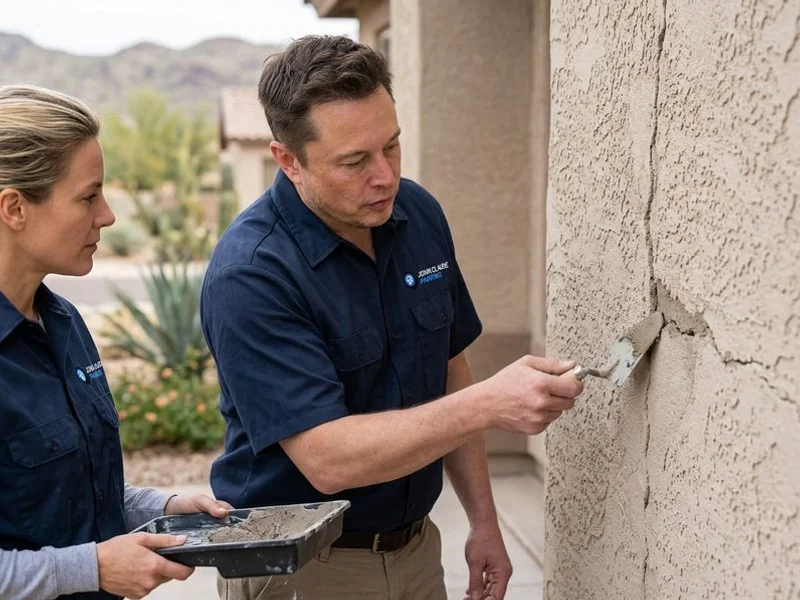
We identify all cracks, chips, and damaged areas. Each is repaired with flexible patching compound that moves with temperature changes.
Prepare & Prime
Power washing removes all debris. Bare patches are primed with high-adhesion primer for proper coating adhesion.
Coat & Seal
Premium elastomeric or acrylic coating is applied, bridging hairline cracks and creating a flexible, UV-resistant seal.
Why Choose Us for Render
Elastomeric System Experts
Elastomeric coatings are the right call for most render surfaces around Melbourne because they flex through the city's wide daily temperature range. We know when a standard acrylic will do and when elastomeric is the better long-term answer.
Proper Crack Remediation
We repair cracks with flexible substrate-matched compounds before coating, instead of just painting over them and letting them telegraph back through in six months.
Heritage-Overlay Comfortable
For older rendered homes under heritage controls in suburbs like Fitzroy, South Yarra, and Albert Park, we work to approved palettes and documentation standards and coordinate directly with your council if required.
Get a Free Render Estimate
No obligation, no hidden fees. We'll assess your project and provide a detailed quote.
Why Render Misbehaves More Than Any Other Exterior Surface
Rendered walls are a huge part of Melbourne’s housing stock. Californian bungalows across Northcote, Thornbury, and Camberwell, 1920s and 1930s homes dotted through the inner suburbs, and modern architectural builds in Brighton and Port Melbourne all rely on a render or stucco finish as the primary exterior surface. Render looks great when it is fresh, but it is also the surface we see fail first when preparation or product selection is wrong.
Local Conditions That Attack Render
- Wide daily temperature swings. The famous Melbourne four-seasons-in-one-day cycle forces the render to expand and contract constantly, stressing bonded coatings.
- Clay-soil movement. Many Melbourne blocks sit on reactive clay that swells and shrinks through the year, transmitting stress up through the wall.
- Coastal salt air. Within a few kilometres of Port Phillip Bay, salt carried on the wind accelerates chalking and breaks down ordinary paint binders.
- South-wall dampness. South-facing render stays cool and damp through winter, encouraging mould growth and accelerating substrate damage.
How We Actually Repair a Rendered Wall
We treat render repair as a real structural fix, not a cosmetic touch-up. Our crew starts with a full inspection of the wall, noting hairline cracks, structural cracks that go through the render, chalking, previous failed repairs, and any areas where the render has separated from the substrate. Anything hollow gets sounded out and rebonded or cut out. Cracks are chased, cleaned, and filled with a flexible patching compound that matches the movement characteristics of the surrounding render. Only once the repairs are cured do we start the coating process.
Why Elastomeric Is Usually the Right Call
For most rendered homes across Melbourne, we specify a premium elastomeric exterior coating as the topcoat system. Elastomeric coatings are far thicker than ordinary acrylic paints and can stretch without cracking as the wall flexes through daily temperature cycles. That flexibility is what allows the coating to bridge hairline movement cracks and keep water out of the wall cavity. Our blog on elastomeric coatings and what every homeowner should know goes deeper into how these systems work and when to use them.
Not every home needs elastomeric, though. For newer architectural builds with sound render and minimal movement, a high-grade 100 percent acrylic system like Dulux Weathershield Plus may be the better long-term answer. Part of our job is to tell you honestly which system your home actually needs rather than upselling.
Seasonal Tips for Rendered Homes
The single best thing a homeowner can do for a rendered home in Melbourne is a yearly walk-around. Check the south wall for mould in late winter. Check all four elevations for new hairline cracks in late summer after the hottest weeks. Look under eaves for streaks, which usually mean water is running down the wall from a failed flashing. Catching these early turns a small maintenance job into a far cheaper fix than the repair you would otherwise be quoting in five years.
Protecting Your Home’s Biggest Exterior Surface
Your rendered walls are the largest single surface on your property and the primary barrier between the inside of your house and the Victorian weather. When they are maintained properly, a rendered home can go a decade between repaints and still look considered. When they are not, moisture works into the substrate, timber behind the render starts to rot, and the repair bill climbs fast. We would much rather be called in now to handle it properly than called in later to deal with what neglect turned it into.
Service Area
Paul Painting Melbourne handles render and stucco work right across the city, from heritage homes in Fitzroy, Carlton, Northcote, and Richmond, to rendered facades in Brighton, South Yarra, and Williamstown, and out through Werribee, Craigieburn, Dandenong, and Frankston. Call 03-9876 3654 or email hello@paulpaintingmelbourne.com.au for a free onsite inspection and fixed-price quote.
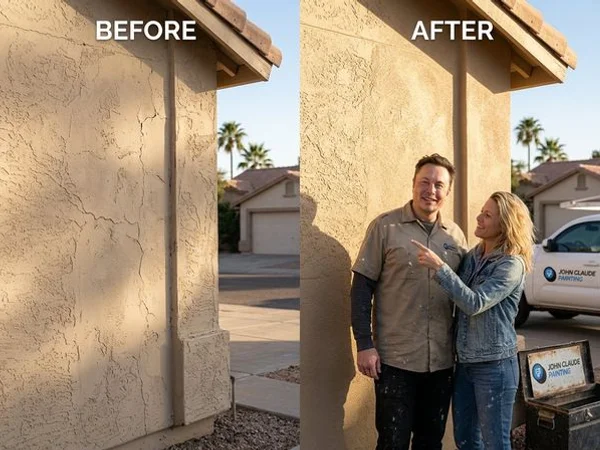
Render Project Gallery


Render Customer Reviews
"Our render was hairline cracking along the whole north wall from the sun and the bay air. Paul's crew patched, primed, applied an elastomeric coat and the house honestly looks better than the day we bought it."
- Robert M., Williamstown
Render FAQs
Why does render seem to crack so much around Melbourne?
A few reasons. Our wide daily temperature swings flex the wall constantly, older rendered homes sit on clay soils that move seasonally, and wind-driven rain can enter through any unsealed joint and work the crack bigger. A crack is not a cosmetic issue, it is a water entry point. Addressing it early is always cheaper than addressing the damage that follows.
What exactly is an elastomeric coating?
It is a thick, flexible, high-build coating, often three to four times the film thickness of a standard acrylic, that can stretch to bridge hairline cracks without splitting. It moves with the wall as the building expands and contracts, which is why we recommend it for most rendered and stucco exteriors in our climate.
How often should a rendered home be repainted in Melbourne?
With a proper preparation and a quality coating, expect eight to twelve years on a well-maintained rendered home. Coastal properties near Port Phillip Bay and west-facing walls that take afternoon sun sit at the lower end and deserve earlier inspection.
Can you colour-match a repair rather than repaint the whole wall?
Yes, for partial repairs we use colour-matching scans and blend the patch into the surrounding area. For older, heavily weathered walls where the existing colour has drifted, we are upfront that a full wall repaint is the only way to avoid a visible halo around the patch.
Related Services
Plaster & Drywall Repair
Seamless plaster and drywall repair in Melbourne, from nail hole filling and crack patching to full sheet replacement, cornice restoration, and ceiling patches.
Exterior House Painting in Melbourne
Weatherproof exterior house painting for Melbourne homes, using premium Dulux systems matched to our city's UV extremes, damp winters, and salt-laden coastal air.
Get Your Free Render Estimate
Contact us today for a free, no-obligation estimate. We'll visit your property and provide a detailed quote.