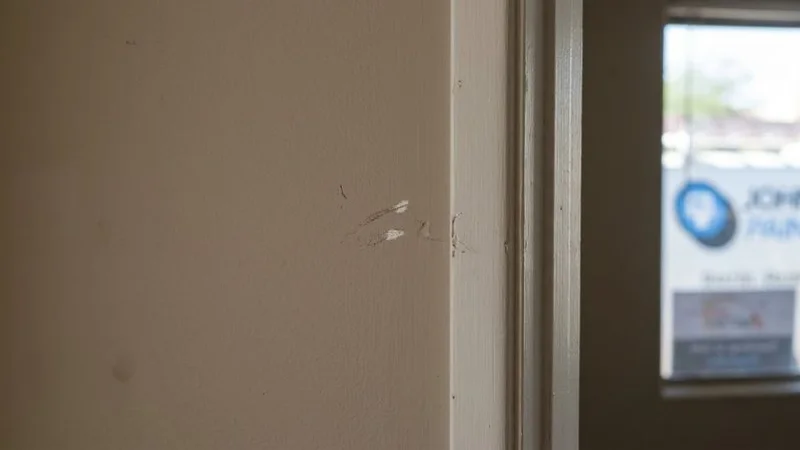
Painting a Commercial Site Without Shutting Down the Business
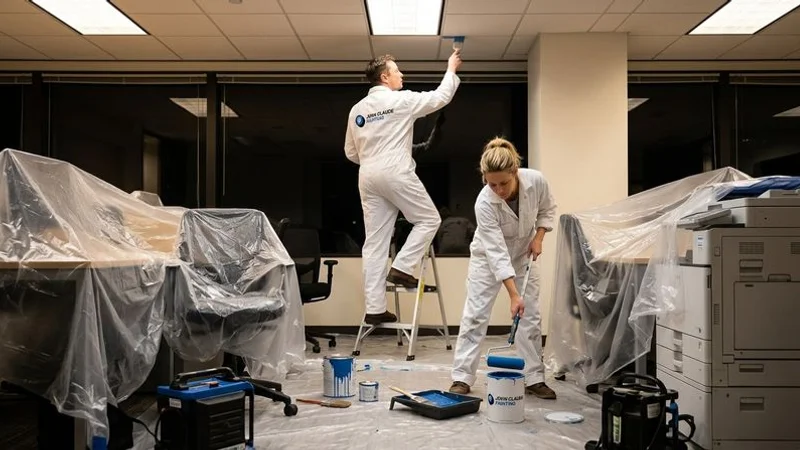
Every commercial client we meet is wrestling with the same tension. The walls clearly need refreshing, but the idea of closing for three days or fencing off half the shopfront feels like a guaranteed revenue hit.
The good news is that a well-planned commercial painting job almost never requires a shutdown. With the right phasing and the right products, most Melbourne businesses can keep trading normally while the work happens around them.
Here is how Paul Painting Melbourne sets up commercial projects so disruption stays minimal.
Step 1: A Proper Pre-Project Assessment
Before we scope any commercial repaint, we walk the site with the facility manager and look at more than just the walls. We are trying to answer specific questions:
- Where does your foot traffic actually go during business hours?
- Which areas can be isolated cleanly behind a dust barrier?
- Where are the server cupboards, medical equipment, or POS systems that cannot tolerate dust?
- What are the noise-sensitive meeting rooms and consult rooms we must work around?
- When is the quietest trading window on each day of the week?
We also run a moisture meter across suspect walls. Any reading above 15% is a red flag that needs sorting before a drop of paint goes on, because trapped moisture bubbles through a fresh coating within months.
Step 2: Zone the Site and Phase the Work
The most effective technique for keeping a business trading is simple zoning. We split the building into sectors and only ever work in one sector at a time, so the other 80 to 90% of the floor is fully usable.
Each zone runs through three quick phases:
- Containment. Zip-wall plastic barriers go up with full floor-to-ceiling dust protection. Adjacent areas stay open.
- Active painting. Prep, prime and topcoats happen behind the barriers. The wet zone is strictly off-limits until cure.
- Reintegration. Final inspection, barrier removal, detailed clean-down. The space returns to use before we move the barriers to the next zone.
For multi-tenant buildings we sometimes run two crews working opposite ends so the whole job wraps quicker, but we never have more than one “wet zone” touching any single tenant at a time.
Step 3: Pick the Right Trading Window
Many Melbourne businesses assume night work carries a massive cost premium. It usually does not. For dedicated commercial crews it is just a different shift, and the speed gains from working an empty site frequently offset the overtime loading.
Suggested Windows by Business Type
| Business Type | Best Window | Why It Works |
|---|---|---|
| Medical, dental, allied health | Friday evening to Sunday evening | 48 hours of cure time before patients return |
| Retail and hospitality | 9pm to 5am | Zero impact on trading hours |
| Cafes and restaurants | Monday daytime or 1am to 9am | Uses the natural quiet day of the week |
| Office and coworking | 5pm to midnight split shifts | Paint fully dry before staff return |
| Schools and childcare | Mid-term breaks or weekends | Full decant, faster execution |
Seasonal Timing for Exterior Commercial Work
Melbourne’s shoulder seasons are the sweet spot for exterior commercial projects:
- October to April is the prime window for repainting shopfronts, warehouses and strata exteriors. Surface temperatures sit comfortably inside product specs.
- Winter exteriors are possible on protected elevations with careful moisture management, but we build in extra buffer days for the weather.
- Interior work runs all year round because HVAC systems give us controlled conditions.
Step 4: Product Choices That Keep the Site Open
Half the reason commercial painting used to shut businesses down was the solvent stink. Modern commercial coatings have largely solved that problem.
For occupied-site work we specify low-VOC and low-odour products such as:
- Dulux Wash&Wear +Plus Low Sheen. Our standard for office and retail interiors. Barely any odour and cures hard enough to handle trolleys and chair backs within a day.
- Dulux Professional Pro Wall. A commercial-grade waterborne finish for high-traffic corridors that scuff easily.
- Taubmans Endure. A washable waterborne option we use in food prep areas and childcare facilities.
- Dulux Aquanamel. Water-based enamel for trims, doors and handrails that needs to dry fast with minimal smell.
These products meet the emissions criteria that matter for healthcare, education and food service facilities. Staff and customers can return to the space the following morning without respiratory complaints.
Step 5: Protect the Assets You Cannot Move
Drop sheets alone are not enough in a live commercial environment. Our standard protection package for occupied-site work includes:
- Ram board or masonite floor protection instead of thin paper, especially on polished concrete and timber.
- 3M static-cling plastic for electronics and display merchandise; dust is drawn to the plastic rather than floating onto keyboards.
- Full furniture wrap with taped seams for anything that cannot be relocated.
- HVAC intake sealing so fumes and dust do not circulate through the rest of the building.
For medical clients we add HEPA air scrubbers running inside containment to keep particulates down to clinical tolerances.
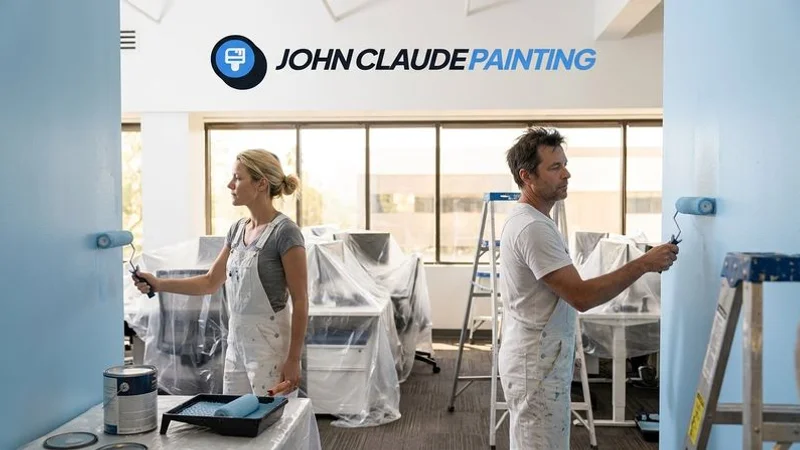
Step 6: Communicate Like Your Business Depends On It
The single biggest source of commercial painting complaints is poor communication. Staff arrive at a blocked door they were not warned about. Customers walk into a wet-paint sign mid-purchase. Someone loses a meeting room they booked two weeks ago.
For every occupied-site project we provide:
- A look-ahead schedule two weeks before start, showing exactly which areas are offline on which dates.
- A daily morning brief with the facility manager to confirm access points and answer questions.
- End-of-shift photos sent by WhatsApp or email so the client can see progress from anywhere.
- Named site foreman with a direct mobile, bypassing any reception or office line.
- Immediate flag-ups if we discover a moisture issue, electrical concern, or other maintenance problem that needs sorting before painting proceeds.
For Property Managers With Multiple Sites
If you manage a portfolio rather than a single building, a few extra strategies pay off:
- Standardise the specification. Pick one colour palette and product line across the portfolio so touch-ups stay simple.
- Bundle the tender. Awarding five or six sites to one contractor in sequence typically reduces mobilisation costs by 10 to 15%.
- Document the scope in writing. Brand name, product line, coat count, and coverage rate should be specified for every quote you compare.
- Audit warranties. Keep signed warranty documents on file against each property so they follow the asset if it changes hands.
- Plan the rotation. A rolling five-year exterior cycle on a portfolio smooths out capex spikes and avoids entire buildings hitting failure simultaneously.
How We Approach Commercial Projects
Every commercial job Paul Painting Melbourne takes on starts with a sit-down conversation about your operating rhythm, your revenue-critical hours, and the absolute no-go periods on your calendar. The painting plan is built to fit your business, not the other way around.
If you have a site that needs a refresh but cannot afford a shutdown, contact Paul Painting Melbourne and we will build you a phased plan that protects your trade while the walls get the attention they need.
Paul Painting Melbourne Team
Dulux Accredited Painting Contractor
Need Professional Painting Help?
Get a free, no-obligation estimate from our experienced team.
Get Free Estimate